

You cannot be retrenched on a Friday afternoon with no warning and no discussion. That is not how the retrenchment process works under South African law, yet it happens to thousands of employees every year because employers either do not know the rules or hope their staff do not. If your employer has mentioned restructuring, cost cutting, or possible job losses, understanding exactly what the retrenchment process requires by law is the single most useful thing you can do right now to protect yourself.
This article walks through every stage your employer must follow, from the first notice through to your final payout, the difference between a small retrenchment and a large scale one, where employers most often cut corners, and what you can do if the process was not followed properly. Whether you are facing retrenchment now or want to understand your rights before it happens, this covers what the law actually requires, not what your employer might tell you.
The Legal Basis for a Fair Retrenchment Process
Section 189 of the Labour Relations Act sets out the retrenchment process that every employer in South Africa must follow, regardless of company size. The law requires two separate things to be fair: a genuine operational reason for the retrenchment, and a fair process leading up to it. Both must be present. An employer can have a completely legitimate financial reason to cut jobs and still lose a CCMA case if they skipped proper consultation, because South African labour law treats process and substance as equally important.
The retrenchment process begins the moment your employer contemplates retrenchment, not the day they decide to go ahead with it. This distinction matters because the law requires consultation before a final decision is made, not consultation to explain a decision that has already been taken. Many employers get this backwards, presenting retrenchment as a done deal in the first meeting rather than as a proposal open to genuine discussion.
Step by Step: What the Retrenchment Process Looks Like
The consultation process under Section 189 follows a reasonably consistent pattern regardless of your industry or company size. Your employer must issue a written notice inviting consultation, and this notice must contain specific information: the reason for the proposed retrenchment, the alternatives considered, the number of employees likely to be affected, the proposed method of selecting who gets retrenched, the timing of the retrenchments, and the severance pay on offer.
From there, the retrenchment process moves into genuine consultation, which can happen through a series of meetings, written exchanges, or a combination of both. Your employer must give you or your representative a real opportunity to respond, suggest alternatives such as short time, salary cuts across the board, or redeployment to another role, and consider those suggestions honestly. Only after this consultation has run its course can your employer issue final notices of termination.
Take a practical example. If a company employs 40 people and needs to cut 5 positions due to a lost contract, the retrenchment process typically takes several weeks from first notice to final termination, allowing time for at least two or three rounds of consultation. Rushing this to a few days, particularly for a retrenchment affecting multiple employees, is one of the clearest signs of a procedurally unfair process.
Section 189 vs Section 189A: Which Applies to You
The size of your employer and the number of people being retrenched determines which version of the retrenchment process applies. Section 189 covers all retrenchments, but Section 189A adds extra steps for large scale retrenchments at bigger employers.
| Feature | Section 189 | Section 189A |
| Applies To | All employers, any size retrenchment | Employers with 50+ employees retrenching a threshold number based on company size |
| Facilitation | Not required, though CCMA facilitation can be requested | Facilitation by the CCMA can be requested or ordered |
| Minimum Consultation Period | No fixed minimum, but must be genuine | At least 60 days if facilitation is requested |
| Right to Strike | Not applicable | Employees can strike over the retrenchment instead of only challenging fairness at the CCMA |
If you work for a smaller employer, or the retrenchment affects only a handful of staff, Section 189 applies without the extended facilitation timeline. If your company is retrenching a large portion of its workforce and employs more than 50 people, Section 189A likely applies, and the retrenchment process legally allows for a longer, more structured consultation period, including the option for either party to request a CCMA facilitator.
Calculating What You Are Owed at the End of the Process
Once the retrenchment process concludes and termination is confirmed, Section 41 of the Basic Conditions of Employment Act sets the statutory minimum for severance pay at one week’s pay for every completed year of service. If you earn R22,000 per month and have worked for your employer for 7 years, your minimum statutory severance comes to R22,000 divided by 4.33 weeks, giving roughly R5,081 per week, multiplied by 7 years, which comes to R35,567.
Here is a second example with a longer service history. If you earn R35,000 per month and have worked for 15 years, your weekly rate comes to roughly R8,083, multiplied by 15 years, giving a minimum severance of R121,245. This is on top of notice pay and any accrued leave pay owed separately, both of which form part of your final payout at the end of the retrenchment process but are calculated differently from severance itself.
The Common Mistake: Believing Consultation Is Just a Formality
A common situation is an employee attending a single meeting where the employer explains the decision and hands over a letter, believing this satisfies the retrenchment process. It does not. Genuine consultation means your employer must actually consider your input, including alternatives to retrenchment such as reduced hours, voluntary severance packages, early retirement offers, or transfers to other departments. If none of your suggestions are engaged with and every meeting simply confirms the same outcome, that is a strong sign the process was procedurally unfair, even if the underlying financial reason for the retrenchment was genuine.
Many workers make the mistake of assuming that because the employer followed some kind of process, however brief, that this is enough to satisfy the law. In practice what most successful CCMA disputes reveal is that employers frequently get the substantive reason right but rush or fake the consultation stage, treating it as a legal box to tick rather than a real negotiation.
What Happens to Your Retirement Fund During the Retrenchment Process
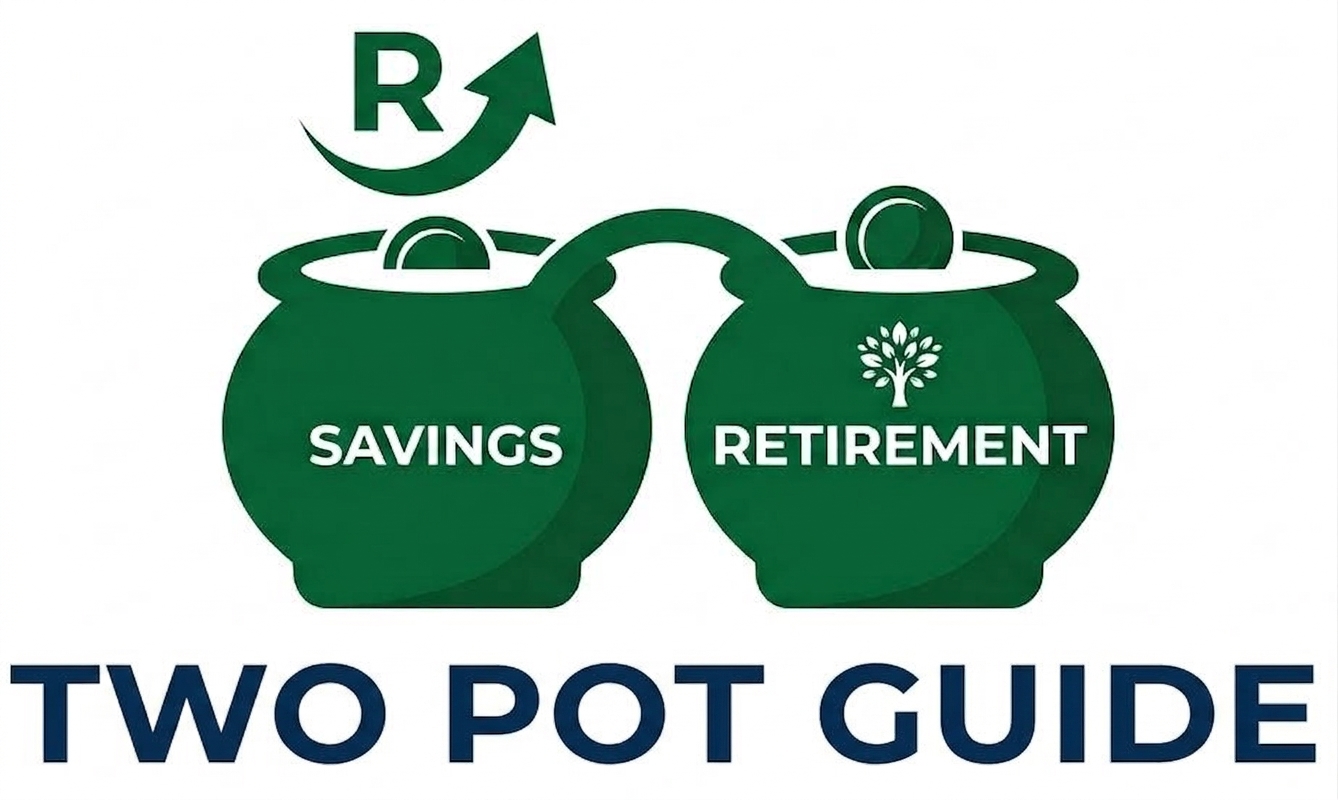
If you belong to a pension or provident fund through your employer, retrenchment triggers decisions about what happens to those retirement savings. Under the two-pot retirement system that took effect in September 2024, your fund is split into a savings pot holding one third of new contributions, accessible before retirement, and a retirement pot holding two thirds, which stays locked until you formally retire. Retrenchment does not automatically unlock your retirement pot, but you can apply to access your savings pot component, subject to a SARS tax directive confirming exactly how much tax applies to that withdrawal. Speak to your fund administrator as part of the retrenchment process itself, not after your final payout has already been processed, since some funds require documentation from your employer confirming the termination reason before releasing any withdrawal.
Disputing an Unfair Retrenchment Process
If you believe the retrenchment process was rushed, that consultation was not genuine, or that the real reason for your dismissal was not operational at all, you have 30 days from the date of your dismissal to refer the dispute to the CCMA using an LRA 7.11 form. This deadline is strict, and missing it means applying for condonation, which the CCMA does not grant automatically. Most disputes are resolved at conciliation, where a commissioner works with both parties to reach a settlement, though unresolved matters involving mass retrenchments under Section 189A can proceed to the Labour Court instead of arbitration.
Frequently Asked Questions
How long does the retrenchment process take in South Africa?
There is no fixed minimum period under Section 189, though a genuine process for a small retrenchment usually takes several weeks. Under Section 189A, if facilitation is requested, the law requires at least 60 days of consultation before final notices can be issued.
Can my employer retrench me without consulting me first?
No. The retrenchment process legally requires consultation before a final decision is made, covering the reason for retrenchment, alternatives considered, selection criteria, and severance terms. Skipping this step makes the dismissal procedurally unfair even if the financial reason was genuine.
What is the difference between Section 189 and Section 189A?
Section 189 applies to all retrenchments regardless of size. Section 189A adds facilitation rights and a minimum 60 day consultation period for larger employers retrenching above a certain threshold of staff.
Can I refuse to accept a retrenchment offer?
You cannot refuse the retrenchment itself if the process and reason are fair, but you can negotiate the severance amount, timing, and alternatives during consultation, and you can challenge the fairness of the process at the CCMA within 30 days if you believe it fell short.
If you are currently in the middle of a retrenchment process, request the full written notice your employer is legally required to give, and check it against what Section 189 demands: the reason, the alternatives considered, the selection criteria, and the proposed severance terms. Keep every document and email from every consultation meeting, since these become critical evidence if the process turns out to be unfair. Before you sign anything final, understanding how your two-pot retirement savings and severance tax directive interact could change how much money actually lands in your account.
Read more: Retrenchment pay in South Africa
This article is for informational purposes only and does not constitute legal or financial advice. Labour law and tax rules may change. For advice specific to your situation, consult a registered labour lawyer, a CCMA commissioner, or visit labour.gov.za and sars.gov.za.