

A notice of retrenchment is not the same document as a letter telling you your last day of work. Confusing the two is one of the most common mistakes South African employees make when they are first told their job might be cut, and that confusion works in the employer’s favour every single time. If you have just received a notice of retrenchment, or your employer has hinted one is coming, knowing exactly what the law requires that document to contain is the difference between walking into consultation informed and walking in blind.
This article explains what a proper notice of retrenchment must include under Section 189 of the Labour Relations Act, how it differs from your final termination letter and your notice period, what timeframes apply, where employers most often cut corners, and what happens to your retirement savings once the process concludes. Whether you received this notice yesterday or you are trying to understand your rights ahead of time, this covers exactly what the law demands from your employer at this stage.
What a Notice of Retrenchment Legally Must Contain
Section 189 of the Labour Relations Act requires your employer to issue a written notice of retrenchment before any final decision is made, and this notice must invite genuine consultation, not simply announce an outcome. The law is specific about what this notice needs to cover. It must state the reason for the proposed retrenchment, meaning the actual operational cause, whether that is loss of a client contract, restructuring, automation, or financial difficulty. It must set out any alternatives to retrenchment that were considered and why they were rejected or accepted. It must specify the number of employees likely to be affected and the timing of when the retrenchments are proposed to take place. It must also outline the proposed method for selecting which employees will be retrenched if not everyone in a department or role is being cut, and the severance pay being offered.
A notice of retrenchment that skips any of these elements is not compliant with Section 189, and a commissioner at the CCMA will treat an incomplete notice as evidence of a procedurally unfair process, even if the underlying financial reason for the retrenchment was genuine and well documented.
Notice of Retrenchment vs Notice of Termination: They Are Not the Same Thing
This is where most confusion happens, and it costs employees real money when they get it wrong. A notice of retrenchment is the opening document that starts the consultation process under Section 189. A notice of termination is the final letter confirming your employment is actually ending, issued only after consultation has run its course. Between these two documents sits your statutory notice period, which is separate again from both.
| Document | Purpose | When It Is Issued |
| Notice of Retrenchment | Opens consultation, proposes retrenchment, invites discussion | Before any final decision is made |
| Notice Period | Working notice or payment in lieu, based on length of service | Runs from the date termination is confirmed |
| Notice of Termination | Confirms employment has actually ended | After consultation concludes |
Many workers make the mistake of treating the initial notice of retrenchment as their final termination date, packing up their desk and stopping work immediately. This is wrong and can actually damage your position. The notice of retrenchment is supposed to open a genuine conversation about alternatives, timing, and severance terms, and treating it as the end of the road skips a stage the law entitles you to.
How Long Your Notice Period Must Be
Once consultation concludes and termination is confirmed, your statutory notice period depends on your length of service under the BCEA. If you have worked for your employer for less than six months, you are entitled to one week’s notice. Between six months and one year of service, you are entitled to two weeks. Beyond one year of service, you are entitled to four weeks, unless your employment contract or a collective agreement specifies a longer period, in which case the longer period applies.
Take a practical example. If you earn R20,000 per month and have worked for your employer for 3 years, your notice period is four weeks, which comes to roughly R18,462 if your employer chooses to pay you in lieu of working that notice rather than having you work through it. This amount is separate from your severance pay, which under Section 41 of the BCEA is calculated at one week’s pay per completed year of service. For the same employee with 3 years of service earning R20,000 per month, that severance component comes to roughly R13,846, on top of the notice pay already calculated.
How Long Consultation Must Run After the Notice of Retrenchment
South African law does not set one fixed minimum consultation period for every retrenchment. What it requires is that consultation following a notice of retrenchment be genuine and give employees a real chance to respond, not that it last a specific number of days for a small scale retrenchment under Section 189. For larger employers with 50 or more staff retrenching above a certain threshold, Section 189A does specify a minimum, requiring at least 60 days of facilitation if either party requests it through the CCMA.
In practice what most retrenched employees find is that a notice of retrenchment followed by a single meeting a day or two later, with a termination letter issued immediately after, does not meet the standard the law requires. Consultation needs enough back and forth to count as real, and a rushed timeline between the notice of retrenchment and final termination is one of the clearest red flags in a CCMA dispute.
The Common Mistake: Assuming a Verbal Warning Counts as a Notice of Retrenchment
A common situation is an employer verbally mentioning that retrenchments might be coming, without ever issuing the written notice of retrenchment the law actually requires. Section 189 requires this notice in writing, and a vague conversation in a hallway or a general staff meeting announcement does not satisfy that requirement. If your employer has only spoken about possible retrenchment without giving you anything in writing containing the specific details Section 189 demands, the consultation process has not properly started yet, regardless of how far along your employer believes it to be.
If you are told retrenchment is coming but never receive a proper written notice of retrenchment, ask for one directly. Put the request in writing yourself, by email if possible, so there is a paper trail confirming exactly when your employer was asked to formalise the notice.
What Happens to Your Retirement Fund After the Notice of Retrenchment
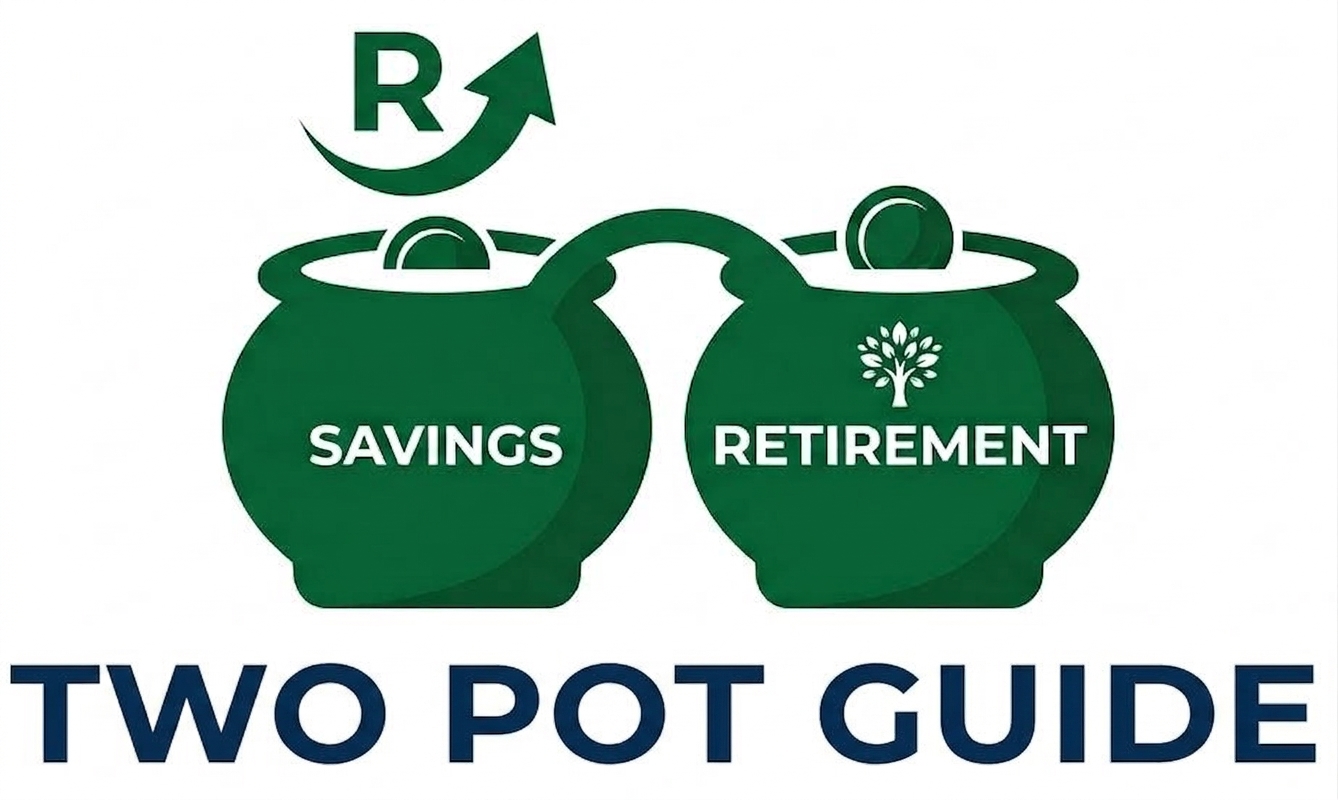
Once your notice of retrenchment leads to actual termination, decisions about your pension or provident fund become relevant. Since September 2024, the two-pot retirement system splits your fund into a savings pot holding one third of new contributions, which you can access relatively easily on termination, and a retirement pot holding two thirds, which stays locked until you formally retire regardless of your employment status. Accessing your savings pot triggers a SARS tax directive calculation taxed at your marginal income tax rate, which is different from the more generous lump sum tax tables that apply to your severance pay. Speak to your fund administrator as soon as your notice of retrenchment is confirmed as final, since some funds require documentation from your employer before releasing any withdrawal.
Frequently Asked Questions
Can my employer give me a notice of retrenchment and dismiss me the same week?
No. A notice of retrenchment must open genuine consultation before any final decision is made, and a same week dismissal without meaningful discussion is likely to be found procedurally unfair at the CCMA.
Does a notice of retrenchment guarantee I will be retrenched?
No. The notice proposes retrenchment and invites consultation on alternatives, timing, and terms. A genuine process can result in the retrenchment being avoided entirely, reduced in scope, or delayed based on what comes out of consultation.
What should I do if I never received a written notice of retrenchment?
Request one in writing from your employer, since Section 189 requires the notice to be documented and to contain specific details about the reason, alternatives, and proposed terms. Without this, the consultation process has not properly begun.
Is my notice period the same as my notice of retrenchment?
No. The notice of retrenchment starts consultation, while your notice period is the separate working notice or payment in lieu you are owed once termination is confirmed, calculated based on your length of service.
Read more: Retrenchment notice period pay
What To Do Once You Receive It
Read your notice of retrenchment line by line and check it contains the reason for the retrenchment, the alternatives considered, the selection criteria, the timing, and the proposed severance terms. If anything is missing, raise it in writing before consultation meetings begin, since this becomes useful evidence if the process later needs to be challenged at the CCMA. Before you finalise anything with your retirement fund once termination is confirmed, understanding how your two-pot savings withdrawal is taxed differently from your severance pay could help you avoid an unnecessary tax bill.
This article is for informational purposes only and does not constitute legal or financial advice. Labour law and tax rules may change. For advice specific to your situation, consult a registered labour lawyer, a CCMA commissioner, or visit labour.gov.za and sars.gov.za.